
What You Need to Get Started
Before you choose, understand the basic options. You don’t need expensive gear to start.
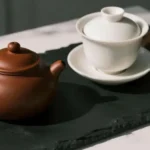
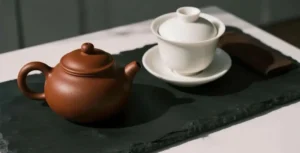
- A Basic White Porcelain Gaiwan (盖碗): Look for one with a 110-130ml capacity. A wider rim helps with heat dispersion. This is your most versatile and affordable option, often under $30.
- A Starter Teapot: If you choose a pot, a simple ceramic or glass pot is best for beginners. Avoid diving into expensive Yixing (宜兴) or purple clay (紫砂) pots until you know your preferred tea. A 150-200ml pot is a good size.
- Your Usual Tea: The best test is to brew the tea you drink most often.
How to Choose Between a Gaiwan and Teapot: A Step-by-Step Decision Guide
This isn’t about which is universally “better,” but which is better for you right now. Follow these steps to decide.
1. Identify Your Primary Goal: Learning or Leisure?
Ask yourself: Are you trying to learn about tea, or are you mainly looking for a relaxing, convenient brew? A gaiwan is a learning tool—it shows you the unedited truth of your tea’s aroma, flavor, and texture. A teapot is often better for leisurely, consistent brewing where convenience and ritual are priorities. Your goal dictates the best tool.
2. Consider the Teas You Drink Most
List your top two or three teas. Gaiwans excel with delicate, fragrant, or precise teas like green tea, white tea, young raw Pu-erh (生普洱), and high-mountain oolongs. Their quick pour prevents overcooking. Teapots shine with teas that benefit from heat retention and slight rounding, like ripe Pu-erh (熟普洱), aged teas, and some black teas. If your list is mixed, the gaiwan is more flexible.
Watch out for: Using a porous clay teapot (like Yixing) for multiple tea types. It will absorb flavors and muddle them. 3. Honestly Assess Your Patience for Technique
Be real about your willingness to learn a new skill. A teapot with a handle is intuitively easy. A gaiwan requires a practiced three-finger grip to avoid burns. The technique is simple but needs a few tries to feel confident. If you get frustrated easily, start with a pot.
Beginner vs Expert Tip: Beginners fear the gaiwan’s heat. Experts leverage that fast heat transfer for perfect timing. The learning curve is short but steep. 4. Think About Cleaning and Maintenance
Your daily routine matters. A gaiwan is trivial to clean—no nooks, no spout, just a smooth bowl. A teapot, especially one with a small spout, can trap tea residue and requires more attentive cleaning. If you want zero fuss post-brew, the gaiwan wins.
5. Make a Choice and Test It
Based on the steps above, choose one. Buy a modest, well-reviewed version. Use it exclusively for a week with your favorite tea. Don’t overthink it; the goal is to gather firsthand experience, which is more valuable than any advice.
Quick comparison of gaiwan vs teapot for beginners:
| Feature | Gaiwan | Teapot |
|---|---|---|
| Best For | Learning tea | Daily convenience |
| Ease of Use | Medium (requires technique) | Easy |
| Flavor Impact | Neutral | Can enhance/soften |
| Best Teas | Green, white, young raw pu-erh, oolong | Ripe pu-erh, black tea, aged tea |
| Cleaning | Very easy | Moderate |
| Versatility | High | Low (especially clay pots) |
| Beginner Friendly | Yes (with practice) | Yes (immediate use) |
Common Mistakes When Choosing Your First Tea Vessel
Buying an Expensive Yixing Pot First. Why it happens: The romance and prestige of “collectible” teapots are alluring. The fix: Start with a cheap gaiwan or ceramic pot. Once you’ve settled on a “daily drinker” tea, then* consider a dedicated Yixing pot for that specific tea.
- Choosing Based Solely on Aesthetics. Why it happens: You fall in love with the look of a pot. The fix: Prioritize function. A beautiful pot with a poorly pouring spout or an awkward-to-hold gaiwan will frustrate you. Form should follow function.
- Believing One Tool is “The Best.” Why it happens: Seeking a single, perfect answer. The fix: Understand they are different tools for different jobs. Most seasoned tea drinkers own and use both, depending on the tea and mood.
Which Tool for Which Scenario?
- For the Complete Beginner Who Wants to Learn: Start with a white porcelain gaiwan. It’s the “truth-teller” that will fastest develop your palate and brewing intuition.
- For Someone Who Drinks One Type of Tea Daily: If you drink ripe Pu-erh every morning, a dedicated Yixing clay teapot can enhance your routine. The clay will season over time, subtly smoothing the tea.
- For Casual, Social, or Office Brewing: A simple handle-less ceramic teapot or a small glass pot is often best. It’s easy, shareable, and less ceremonial.
Quick Reference: Gaiwan vs Teapot Cheat Sheet
- Best For Learning Tea: Gaiwan
- Best For Ease of Use: Teapot (with a handle)
- Best For Delicate/Fragrant Teas: Gaiwan
- Best For Aged/Robust Teas: Teapot (especially clay)
- Easiest to Clean: Gaiwan
- Risk of Flavor Cross-Contamination: High in clay pots, zero in porcelain gaiwan.
- Typical Beginner Price Point: $20-$50 for either.
One Insider Tip
The most common reason beginners give up on the gaiwan is overfilling it. You should never fill water all the way to the brim. Leave a 1-1.5 cm gap between the water and the rim. This creates an air buffer that keeps the rim cool enough to grip comfortably. It’s not your technique that’s wrong—it’s the water level.
Frequently Asked Questions
Is a gaiwan or teapot better for green tea?
A gaiwan is superior for most green teas. Its quick pour (under 10 seconds) prevents the delicate leaves from stewing, preserving their fresh, vegetal flavor. A teapot often retains too much heat, leading to bitter tea.
Why do tea shops always use gaiwans to evaluate tea?
Tea professionals use gaiwans because they are neutral and fast. The porcelain doesn’t alter the flavor, and the quick infusion allows them to assess the tea’s true aroma (by smelling the lid) and taste without any variables added by a clay pot.
Can you use a gaiwan for multiple people?
Absolutely. A standard 110-120ml gaiwan can brew enough tea for 2-3 small tasting cups. For larger groups, you would brew multiple quick infusions in succession, refilling the gaiwan each time.
Do I really need “one tea, one pot” for Yixing clay teapots?
Yes, this is a strong recommendation, not a myth. The semi-porous clay absorbs tea oils and flavors. Using one pot for one type of tea (e.g., only for Wuyi rock oolong) allows it to season consistently. Mixing teas will create a muddled flavor profile.
Which is better for a beginner on a budget?
A simple white porcelain gaiwan is almost always the most cost-effective and educational starting point. You can get an excellent one for the price of a low-end, questionable-quality clay pot.
The real shift towards gaiwans in recent years isn’t about fashion, but a return to clarity—both in the cup and in one’s understanding of tea. It’s the move from enjoying a mood to appreciating a flavor.
Ready to put your choice into practice? Our next guide, How to Brew Tea With a Gaiwan: A Beginner’s First Pour, will walk you through the exact grip, pour, and timing to make your first session a success.
Using a gaiwan to brew tea is only one aspect of the tea ceremony. To understand the overall tea culture customs of Chengdu, please refer to: Chengdu Teahouse Culture.