@pandatao.me Sichuan, Chengdu

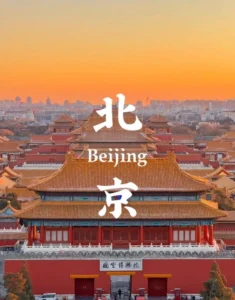
Beijing Travel Guide — Quick Answer
- Best first-time itinerary: 5 days covering the Forbidden City, Great Wall, Summer Palace, Temple of Heaven, and hutongs.
- Top booking rule: Book the Forbidden City and National Museum 7 days in advance (online only).
- Where to stay: Qianmen/Chongwenmen area for walking to Tiananmen; Xizhimen/Xuanwumen for metro hub convenience.
- Must-eat foods: Peking duck (Siji Minfu), Zhajiangmian noodles (Haowanju), Mongolian hotpot (Namen Shuanrou).
What Is the Best Way to Plan a Trip to Beijing?
The best way to plan a trip to Beijing is by building your itinerary around mandatory advance bookings for major sites, using the city’s efficient metro system to connect districts, and balancing monumental sights with pockets of local life in hutongs and teahouses. A successful visit hinges on accepting that you cannot see everything and prioritizing depth over checklist tourism.
Beijing (北京) is the political and cultural heart of China, a sprawling metropolis where ancient imperial grandeur collides with relentless modernity. It is a city best understood through contrasts: the silent austerity of the Forbidden City versus the lively chaos of a hutong breakfast stall; the epic scale of the Great Wall versus the intimate ritual of a gongfu tea ceremony.
How to Build Your Perfect Beijing Itinerary
The biggest mistake first-timers make is underestimating distances and overestimating their stamina. Beijing is not a walking city; it’s a metro-and-walking city. Each major site is a campus unto itself, requiring hours of being on your feet. A realistic daily plan includes one major attraction in the morning, one in the afternoon, and a relaxed evening of local food.
A classic 5-day, first-time framework provides the perfect balance:
- Day 1: Arrival & Imperial Ambiance. Settle into your hotel near Qianmen. Spend the afternoon wandering Dashilanr and Qianmen Street, snacking on lüdagunr* (sweet glutinous rice rolls) and soaking in the old Beijing atmosphere. See the streets lit up at night.
- Day 2: The Forbidden City & Its Vista. Enter the Forbidden City at 8:30 AM via its south gate. Follow the central axis through the Hall of Supreme Harmony. Exit via the north gate (Shenwumen), cross the street, and climb Jingshan Park to the Wanchun Pavilion for the iconic rooftop view. Wind down with an evening stroll around Shichahai Lake. For a step-by-step plan, don’t miss our complete Forbidden City Travel Guide 2026 with timed itineraries and ticket hacks.
- Day 3: Imperial Gardens & History. Dedicate the morning to the Summer Palace (Yiheyuan). Enter from the North Palace Gate, walk the Long Corridor, and take a boat on Kunming Lake. In the afternoon, visit the nearby ruins of the Old Summer Palace (Yuanmingyuan), a sobering counterpoint to preserved glory.
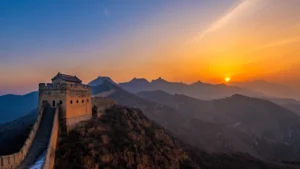
- Day 4: The Great Wall & Modern Icons. Choose one section of the Wall. Badaling is most famous and accessible by high-speed train. Mutianyu is slightly less crowded and offers a cable car. Return to the city by late afternoon to see the Bird’s Nest and Water Cube illuminated at night in the Olympic Park.
- Day 5: Temple of Heaven & Departure. Visit the Temple of Heaven (Tiantan) in the morning, walking the same path emperors once took to pray for good harvests through the Hall of Prayer for Good Harvests and the Echo Wall. Depart for your airport or train station.
Local Reality Check: The “best” section of the Great Wall isn’t the one in the posters. While Badaling is iconic, it’s also the most crowded. For a more balanced experience with easier logistics, first-timers are often happier at Mutianyu, which has stunning views and a convenient cable car.
To plan your Great Wall day trip perfectly, read our complete comparison: Great Wall of China: Mutianyu vs Badaling vs Jinshanling.
The Non-Negotiable: Booking Beijing's Major Attractions
Forget spontaneity. Beijing’s top sites operate on a strict online reservation system with daily visitor caps. Showing up without a ticket means you will not get in.
- The Forbidden City (故宫博物院): Tickets release 7 days in advance at 8:00 PM Beijing time on the official website. Peak season tickets sell out in minutes. Price: ¥60 (Apr-Oct), ¥40 (Nov-Mar).
- National Museum of China (中国国家博物馆): The most difficult ticket to secure. Book exactly 7 days in advance at 5:00 PM. Free admission.
- Tiananmen Square & Mao Zedong Memorial Hall: Require separate, free bookings 1-7 days ahead via the “Tiananmen Square” WeChat mini-program.
- The Great Wall (Various Sections): Book 1-7 days ahead on respective official sites. Badaling: ¥40/¥35. Mutianyu: ¥45.
I watched a family of five at the Forbidden City gate, their faces falling as the guard repeated “Mei you piao” — no ticket. They had traveled thousands of miles only to be turned away at the moat. Their afternoon was spent scrambling for alternatives, a preventable tragedy.
To truly experience old Beijing, don’t miss our Beijing Hutong Walking Guide: 5 Authentic Routes & Local Secrets for the best off-the-beaten-path walks.
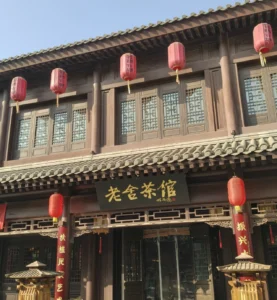
Spending an afternoon in a traditional teahouse is one of the most relaxing things to do in the city — here’s where to find the [best teahouses in Beijing].
Where to Stay in Beijing: Location Is Everything
Your hotel location dictates your daily energy budget. Staying in the distant suburbs for a lower rate is a false economy, costing you 2-3 hours in daily commute exhaustion.
- Best for First-Timers & Iconic Access: Qianmen/Chongwenmen. This area puts you within walking distance of Tiananmen Square, the Forbidden City’s south entrance, and Dashilanr. Ideal for attending the flag-raising ceremony at dawn. Hotels here range from boutique to international chains.
- Best for Metro Convenience & Value: Xizhimen/Xuanwumen. A major public transport hub with multiple metro line intersections. You’ll find abundant, affordable chain hotels and easy access to everywhere. The food scene in surrounding hutongs is authentic and less touristy.
- Area to Avoid for a Short Trip: Distant districts like Changping, Shunyi, or Tongzhou. The commute is brutal and will fragment your days.
A Guide to Beijing's Essential Flavors
Beijing cuisine is hearty, savory, and deeply satisfying. Move beyond the banquets to the food of everyday life.
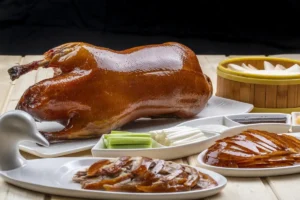
- Peking Duck (北京烤鸭): The quintessential experience. Skin should be crisp, meat succulent, served with thin pancakes, scallion, cucumber, and sweet bean sauce. Siji Minfu (especially its Forbidden City branch with a view) is a favorite. Da Dong is known for a leaner, modern style.
- Zhajiangmian (炸酱面): “Fried sauce noodles.” Thick wheat noodles topped with a rich, salty-sweet minced pork and fermented soybean paste sauce. Haowanju or Fangzhuanchang 69 offer the classic, noisy, communal atmosphere.
- Luzhu Huoshao (卤煮火烧): A beloved “offal stew” of pig intestines, lungs, and tofu, served with a dense bread. It’s a test of culinary adventurousness. Try it at Beixinqiao Luzhu Old Shop.
- Mongolian Hotpot (铜锅涮肉): Thinly sliced lamb cooked in a simple清水 (clear water) or mushroom broth, then dipped in rich sesame sauce. Jubaoyuan and Namen Shuanrou are institutions.
Local Reality Check: The most famous roast duck restaurant isn’t necessarily the best. Long queues at ultra-famous chains can mean a rushed experience. For a more relaxed meal with equally superb quality, ask a local for their neighborhood favorite — often a place with dated decor but a loyal following.
For a truly authentic experience in Beijing, don’t miss exploring 《the cozy cafes hidden in the old hutongs》and《Beijing Food Guide: Best Restaurants, Street Food & Local Eats (2026)》
Getting Around Beijing: Transport Essentials
- Metro: Your absolute best friend. It’s fast, cheap, and avoids traffic. Purchase a physical transit card or use your phone’s Alipay/WeChat to scan QR codes at the gates. Download the “Beijing Subway” map app.
- Bus: More complex but useful for specific routes. Note: you must tap your card both when boarding and alighting, as fares are distance-based. The “Jiangsu Transportation Union” card mentioned in one traveler’s tale works on the metro but not buses.
- Taxi/Rideshare: Readily available but prone to severe congestion, especially during weekday rush hours (7-9 AM, 5-8 PM). Use them for short trips or when carrying luggage.
- To the Great Wall:
* Badaling: Take the high-speed train from Beijing North or Qinghe Station (approx. 30 mins), or public bus 877 from Deshengmen.
* Mutianyu: Tourist shuttle buses from Beijing Tourist Hub or organized tours are most straightforward.
Common Mistakes When Visiting Beijing
- Not Booking Attractions in Advance. This is the cardinal sin. You will miss the Forbidden City and National Museum without a pre-booked, timed-entry ticket.
- Packing the Wrong Shoes. This is not an exaggeration. You will walk 8-15 km (5-9 miles) per day on hard stone. Fashionable footwear equals misery.
- Falling for “Cheap” Tours at Tourist Hubs. Touts outside Tiananmen or your hotel offering “Great Wall tours for 100 RMB” lead to forced shopping stops, subpar wall sections, and hidden fees. Book transport or tours through official channels.
- Overpacking Your Daily Schedule. Trying to do the Forbidden City, Summer Palace, and a hutong tour in one day is a recipe for exhaustion without retention. Prioritize one major site per half-day.
- Buying “Local” Food in Tourist Zones. The snacks on Nanluoguxiang’s main street are overpriced and underwhelming. Walk one alley over to where locals live and eat.
From Planning to Practice: Your Next Steps
Now that you have the framework for your Beijing travel guide—the itinerary, the booking rules, the food list—the real depth comes from understanding the rhythm of the city itself. It’s in knowing how to navigate a crowded temple, or where to find that moment of quiet in a bustling park.
For instance, once you’ve secured your Forbidden City ticket, the next challenge is navigating its overwhelming scale. Our dedicated guide to touring the Forbidden City breaks down the exact routes to avoid crowds, which halls hold the true treasures, and how to interpret the symbols in the architecture, transforming a walk through history into a coherent story.
High-Retention Insight: The most authentic Beijing moment might not be on the Great Wall, but in a misty morning at the Temple of Heaven, watching retired locals practice water calligraphy on the paving stones—their beautiful characters evaporating in the sun within minutes, a transient art mirroring the city’s own layers of history.
Closing Reflection
To visit Beijing is to engage in a dialogue between past and present, where every wide boulevard was once a processional way and every quiet hutong holds a century of stories. The trip will challenge your feet and reward your curiosity. It’s less about checking off a list of world-famous sites and more about allowing the weight of history and the vitality of modern life to leave their impression on you. You come for the postcard moments, but you remember the unexpected ones: the chime of a station clock, the shared smile with a local over a confusing menu, the profound silence at the center of the world’s noisiest city.
Frequently Asked Questions (FAQ)
How many days do I need for Beijing?
A minimum of 4 full days is essential to cover the major highlights without utter burnout. Five days is ideal, allowing for a more relaxed pace and deeper exploration of neighborhoods like the hutongs.
Is Beijing expensive to visit?
Beijing can be traveled on a moderate budget. Accommodation and food offer a wide range, from hostels and street food to luxury hotels and fine dining. The biggest costs are international flights and entrance fees to major attractions. Daily budgets excluding flights can range from $50 (budget) to $200+ (comfortable).
What is the best time of year to visit Beijing?
Spring (April-May) and Autumn (September-October) offer the most pleasant weather with mild temperatures and clear skies. Summer (June-August) can be very hot, humid, and crowded. Winter (December-February) is cold and dry, but offers stark, beautiful scenery and fewer tourists.
Can I visit the Great Wall and the Forbidden City in one day?
Absolutely not. Each deserves, and requires, at least a half-day to visit properly. They are also located in completely different directions from the city center. Combining them would result in a rushed, stressful, and superficial experience of both.
What should I know about etiquette in temples like Yonghegong?
Dress modestly (cover shoulders and knees), speak quietly, and avoid using flash photography. Do not bring your own incense to burn; it is usually provided. For a deeper dive into respectful cultural exploration, our guide to Beijing’s temple culture covers specific rituals and customs in detail.
Is it difficult to get around Beijing without speaking Chinese?
Not at all for the major tourist track. Metro signs and announcements are in English and Chinese. In hotels, major restaurants, and ticket offices, you will often find English speakers. Having a translation app (like Pleco or Google Translate) on your phone for menus and signs is highly recommended.
Where to Go From Here
If the imperial history and grand architecture captured your imagination, our deep-dive into Forbidden City secrets and touring strategies will help you decode its symbolism. If you found the contrast between ancient walls and modern life intriguing, our guide to Beijing’s hutong culture and where to find it maps the best-preserved neighborhoods away from the tourist crowds.
PandaTao builds guides that move you from the iconic to the intimate across Chinese cities. We cover everything from palace logistics to the philosophy behind a perfect cup of tea—follow along as we map the layers of tradition and modernity.
Tags

Tao
Chris Lee (Tao) is the founder of PandaTao, a journal exploring China through its cities, tea, and traditional crafts. He shares stories of everyday culture — from quiet teahouses and local markets to the small rituals that shape daily life in China.
📬 Stay updated: Get insider tips, guides, and stories by email at pandatao.me@gmail.com