@pandatao.me Sichuan, Chengdu

Beijing Food Guide for First-Time Visitors
This Beijing food guide covers the best restaurants, street food, and local eats in Beijing — including Peking duck, zhajiangmian, hotpot, and traditional breakfast spots. Whether you’re a first-time visitor or a returning foodie, this guide helps you find where locals actually eat — and how to avoid wasting time on tourist traps.
👉 Planning your full trip? See our → Beijing 4-Day Itinerary Guide
What to Eat in Beijing— Quick Answer
The best food in Beijing includes:
- First-time visitors / iconic dishes: Peking Duck + Zhajiangmian
- Local breakfast & street food: Douzhi & Jiaoquan / Sugar Oil Pastry
- Authentic hot pot: Copper pot mutton hotpot
- Bold flavors & offal: Luzhu / Chao Gan
- Budget-friendly & quick: Noodles + street snacks in Niujie
What Is the Best Food in Beijing?
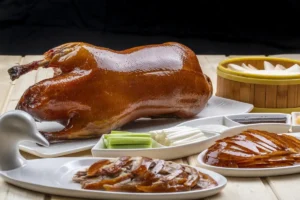
The best food in Beijing is a mix of imperial cuisine and hearty, peasant-born street food. You cannot leave without trying Peking Duck, where crispy skin is dipped in sugar, and Zhajiangmian (炸酱面), hand-pulled noodles with rich minced pork sauce.
For more adventurous eaters, Douzhi (豆汁儿) — a fermented mung bean drink — is a true local rite of passage.
👉 The key difference in Beijing isn’t what to eat — it’s where you eat it.
Before You Go: Navigating Beijing's Food Scene
- Timing matters more than choice. Most visitors waste hours queuing at peak times. Eat before 11:30 AM or after 5 PM.
- Use local apps. Join virtual queues using “Mei Wei Bu Yong Deng” (美味不用等).
- Bring some cash. Older hutong spots may not accept digital payments.
- Go where locals queue. High turnover = fresher food.
The Iconic Dishes: Where to Start
1. Peking Duck (北京烤鸭)
The quintessential Beijing experience: crispy skin, tender meat, wrapped in pancakes.
👉 Local insight:
Most visitors obsess over “the best duck,” but locals care more about timing and queue strategy than brand name.
2. Zhajiangmian (炸酱面)
Beijing’s everyday comfort food — thick noodles with rich fermented bean sauce.
👉 Reality:
The difference between a good and bad bowl is huge — location matters more than price.
3. Copper Pot Hotpot (铜锅涮肉)
A classic northern Chinese experience centered on high-quality mutton and sesame dipping sauce.
👉 When to eat it:
Best in winter — this is not just food, it’s a seasonal ritual.
Beijing Street Food & Local Breakfast
This is where Beijing becomes real.
Douzhi & Jiaoquan (豆汁儿与焦圈)
A fermented drink that divides even locals.
👉 Critical tip:
Drink it hot — once it cools, the flavor becomes significantly harsher.
Luzhu Huoshao (卤煮火烧)
A rich stew of pork offal and bread — intense, heavy, and deeply local.
👉 Not for beginners — but unforgettable if you’re curious.
Chao Gan (炒肝)
A thick garlic-heavy liver stew, eaten by lifting the bowl and drinking.
👉 Yes, it looks intimidating. That’s part of the experience.
If You Only Read One Section, Read This
- 1 day in Beijing → Peking Duck + Zhajiangmian + Niujie snacks
- Hate crowds → Eat early (11 AM / 5 PM strategy)
- Adventurous eater → Douzhi + Luzhu
- Budget → Niujie area is unbeatable
- Winter → Hotpot is non-negotiable
Best Food Areas in Beijing
Niujie — The Real Food Hub
👉 The single best area for authentic, affordable Beijing food.
- Muslim cuisine
- Street snacks
- Local atmosphere
Qianmen — Historic but Mixed
👉 Essential, but requires filtering.
- Some legendary spots
- Many tourist traps
Gui Jie — Late Night Street
👉 Best for:
- Night food
- Social dining
- Spicy cravings
How to Choose Where to Eat
Most food guides list restaurants.
👉 This one helps you decide.
- First-time visitors:
Stick to iconic dishes (duck + noodles) - Food explorers:
Go into hutongs, try breakfast culture - Groups:
Hotpot is the best shared experience - Budget travelers:
Niujie beats everything else
How Much Does Food Cost in Beijing?
- Street food: ¥5–20
- Local restaurants: ¥20–50
- Peking duck: ¥100–200 per person
- Hotpot: ¥80–150 per person
What Most Guides Won’t Tell You
- “Best Peking Duck” is subjective — locals debate it constantly
- The best food often comes with chaos (noise, queues, shared tables)
- Clean, quiet restaurants = usually less authentic
⚠️ The Biggest Mistake Visitors Make
Spending more time queuing than eating.
The difference between a great food trip and a frustrating one isn’t taste —
it’s timing, routing, and knowing where to go first.
🎯 Want the Exact Food Plan?
This guide gives you the what.
👉 The PandaTao Beijing Guide gives you the how:
- Exact locations (Google Map pins)
- Optimized food routes (by area & time)
- Queue strategies for popular restaurants
- Hidden local spots not on Google
- Step-by-step daily eating plan
→ Get the full Beijing Guide: pandatao.me
Final Thought
Beijing’s food isn’t just about flavor — it’s about context.
A bowl of noodles in the wrong place is forgettable.
The same bowl, eaten in the right alley at the right time, becomes something you remember for years.
And that difference?
👉 That’s what most guides miss.
Knowing what to eat is only half the adventure — knowing when and where to eat it across five days is the other. For a day-by-day plan that weaves food stops seamlessly into must-see sights, check out The Complete 5-Day Beijing Itinerary for First-Time Visitors.

Tao
Chris Lee (Tao) is the founder of PandaTao, a journal exploring China through its cities, tea, and traditional crafts. He shares stories of everyday culture — from quiet teahouses and local markets to the small rituals that shape daily life in China.
📬 Stay updated: Get insider tips, guides, and stories by email at pandatao.me@gmail.com