
Why Chinese Rinse Tea — Quick Answer
- Rinsing tea hydrates and warms tightly rolled or compressed leaves, preparing them for optimal flavor extraction.
- It removes any faint “storage taste” from aged teas like pu-erh, ensuring a cleaner first drinking infusion.
- For delicate green or white teas, rinsing is often skipped to preserve their most delicate, volatile aromas.
- The process is swift, typically 3-5 seconds; it’s not a steep but a quick saturation and pour-off.
- It is a ritual act that marks the formal start of a tea session, building anticipation and respect for the leaf.
Rinsing tea (洗茶, xǐ chá) is the practice of quickly saturating tea leaves with hot water and discarding that initial infusion to prepare the leaves for brewing and to improve the taste of subsequent pours.
The Awakening: More Than Just a Wash
The immediate, logical assumption is one of hygiene—washing away dust, debris, or something unsavory. This is the tourist-trap explanation, the one given on hurried factory tours where the ritual is performed as a mysterious, obligatory step. The local truth is simpler and more profound: the tea isn’t dirty; it’s asleep. The primary intent is what practitioners call 醒茶 (xǐng chá)—awakening the tea—or 润茶 (rùn chá)—moistening it. Consider a rock-hard disc of aged raw pu-erh or a tightly ball-rolled Tieguanyin oolong. These leaves have been desiccated, shaped, and often rested for years. Their structures are closed, their aromatic compounds locked away. The sudden shock of hot water serves as a catalyst, hydrating the parched leaves and warming them to encourage the release of flavor and aroma. It is the stretch before the run, a necessary prelude.
I once watched a tea master in a Xiasha studio handle a new batch of roasted Da Hong Pao. He brought the dry leaves to his nose, then poured water over them in the gaiwan. He didn’t just dump it out; he held the lid slightly ajar, inhaled the steam that billowed up, and nodded. “It’s ready to talk now,” he said, before discarding the rinse. That moment of smelling the rinse water—assessing the awakened aroma—is a diagnostic step most casual drinkers miss. In short, rinsing shifts the tea from a static, stored state to an active, ready participant.
Which Teas to Rinse (And Which to Welcome Gently)
The practice is not universal but is dictated by the character of the leaf itself. This is where a one-size-fits-all approach fails. The rule bends to the tea’s processing, age, and form, and understanding this is the difference between a good cup and a great one.
Teas that almost always benefit from a rinse are those with tightly compressed forms or higher levels of oxidation/fermentation. This includes most oolongs (like Phoenix Dan Cong or Taiwanese High Mountain), black teas (such as Dian Hong), and all heicha (dark teas) like pu-erh and liu bao. Their complex structures need that initial hot water bath to begin unfurling. For aged pu-erhs, a quick double rinse is standard—a firm but polite nudge to dispel any lingering 仓味 (cāng wèi), the subtle “storage taste” from years in a humid environment.
Conversely, the delicate, unoxidized greens and whites tell a different story. Pouring hot water over a precious batch of Longjing (Dragon Well) or Bai Hao Yin Zhen (Silver Needle) only to discard it is seen by many purists as pouring the essence—the most volatile, sweet, and floral top notes—straight down the drain. For these, the first infusion is the highlight. The water temperature is lowered significantly, and that first gentle pour is the beginning of the drinking itself. The key point here is that the ritual serves the tea, not the other way around. It is an act of observation, not obligation.
The Hidden Costs of Getting It Wrong
Many enthusiasts, eager to practice “authentic” gongfu cha, rinse every tea without thought. This well-intentioned mistake can cost you the best part of your session. Applying a full boil rinse to a delicate green tea doesn’t awaken it; it scalds it, locking in a bitter, astringent character that will haunt every subsequent infusion. Conversely, not rinsing a tightly compressed ripe pu-erh means your first several drinking cups will be dominated by a damp, earthy storage note, obscuring the deeper sweetness and complexity you paid for. Another common error is letting the rinse water sit too long, turning it into a first steep. This extracts the core flavors prematurely, leaving the actual first drinking infusion weak and imbalanced. The takeaway: a misplaced rinse is not just a wasted pour; it’s a misstep that alters the entire trajectory of your tea’s flavor.
A Practical Guide to the Rinse
This isn’t about step-by-step brewing, but about the tangible factors that define the practice. Whether you’re in a Chengdu teahouse or your own kitchen, these are the reference points that matter.
Water Temperature & Time:
- Oolong & Black Tea: Near-boiling water (95-100°C / 203-212°F), 3-5 second contact.
- Aged/Ripe Pu-erh: Boiling water (100°C / 212°F), often a 5-second rinse, repeated once.
- Green & White Tea: Typically not rinsed. If a quick rinse is used for very dusty leaves, water should be much cooler (70-80°C / 158-176°F) and instantaneous.
Visual & Sensory Cues for a Good Rinse:
- Leaves: Should visibly darken and begin to soften and unfurl slightly.
- Aroma: The steam from the rinse water often carries the tea’s “awakened” scent—roasty, floral, or earthy—which is a preview of the session.
- Liquid: The rinse water itself is usually cloudy or pale; it’s not meant to have full color or body.
Equipment Note:
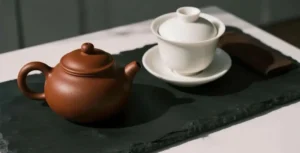
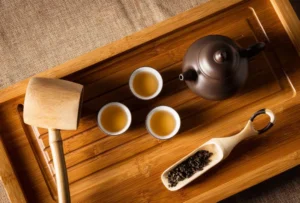
The rinse also serves to thermally prepare your vessel. The hot water warms the pot or gaiwan, creating a stable environment for the leaves to open evenly. This is why you’ll often see a practitioner rinse the leaves, then use that hot rinse water to warm the drinking cups before discarding it—a efficient, zero-waste move.
The Philosophy in the Pot: Why This Small Act Matters
Beyond technique, this simple step is a microcosm of a broader Chinese approach to tea. It introduces a necessary pause, a moment of patience that formally demarcates the transition from the mundane to the mindful. It creates a rhythm. In a bustling Hong Kong dim sum hall, a server might perform this rinse with swift, invisible efficiency, just part of setting up the pot for a long meal. In a quiet Wuyishan tea farmer’s home, the host may do it with focused silence, watching the tightly twisted Yancha leaves begin to swell as a promise of the mineral-rich brews to come.
This ritual builds anticipation and, more importantly, respect. It is a gesture of hospitality toward the leaf itself—offering it water after a long journey, acknowledging the craft that brought it here, and asking it to reveal its best self. The high-retention insight is this: The most important purpose of rinsing tea isn’t to remove something bad, but to encourage something good. It tames potential bitterness, rounds out aroma, and ensures consistency, transforming an unpredictable ingredient into a reliable companion for the next hour of your life.
Ultimately, the practice connects to a larger truth about modern Chinese life: even amidst relentless pace and change, the tea ritual carves out a space for slowness and intention. It’s a daily, accessible reminder that some things cannot be rushed, that the best flavors often come only after a moment of preparation and respect.
FAQ: The First Pour
Should you rinse tea before brewing?
Yes, for most rolled, compressed, or heavily oxidized teas like oolong, black tea, and pu-erh. It awakens the leaves and cleans the palate. For delicate green or white teas, rinsing is usually unnecessary and can wash away the best flavors.
What does rinsing tea do?
Rinsing tea primarily hydrates and warms dormant leaves, encouraging them to open up for better flavor extraction in subsequent brews. Secondarily, it can remove minor dust or, in the case of aged teas, faint storage odors.
Is rinsing tea about removing pesticides?
No. Most agricultural residues are not water-soluble and cannot be removed by a quick rinse. Safety concerns are best addressed by sourcing tea from reputable, transparent producers, not by rinsing.
How long should you rinse tea?
Be swift—typically 3 to 5 seconds. The goal is to fully saturate the surface of the leaves and immediately pour the water off. Any longer and you begin steeping and extracting the core flavors you want to drink.
Do you rinse green tea?
Generally, no. High-quality green teas like Longjing are prized for their delicate, fresh first infusion. Rinsing them with hot water can scald the leaves and discard their most volatile and pleasant aromas.
How do you rinse pu-erh tea?
Use fully boiling water. Pour it over the compressed leaves in your pot or gaiwan, ensuring they are fully submerged, and decant it immediately. For ripe pu-erh or very old raw pu-erh, a quick second rinse is common to ensure any storage character is fully cleared.
Next time you sit down with a pot of tea, watch the leaves after that first pour. Do they look more alive? That’s the whole point. What small ritual in your own day serves a similar purpose—not of cleaning, but of readying?
For a deeper dive into the equipment that makes this ritual sing, explore our guide to selecting your first Yixing clay teapot.