
Why Gongfu Cha Matters — More Than Just Brewing Tea
The first time you successfully brew a cup that’s not bitter, not bland, but alive, you’ll understand why. Gongfu Cha is a system of deliberate, repeatable steps that reveal the character of the leaves — like listening to a symphony in a concert hall rather than through a tinny speaker.
At its core:
Tea is a social solvent and a personal pause.
The ceremony’s structure provides focus and mindfulness, whether alone or with guests.
It transforms simple brewing into a meditative experience.
Tip for visual learners: Imagine your tea setup as a “micro stage” — a clean surface, simple vessels, and your intention. Even a quiet corner of your kitchen works.
Essential Tools for Your Tea Ceremony
A seasoned master may have dozens of pots and cups. You can start simple:
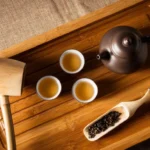
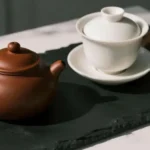
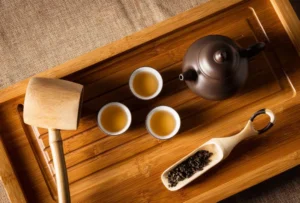
Gaiwan (盖碗) – Porcelain lidded bowl, 120ml ideal. Allows full control and shows leaves unfurling.
Fairness Cup (公道杯) – Ensures each cup receives identical tea.
Drinking Cup (品茗杯) – Small, handleless cups for mindful sipping.
Optional Tea Tray – Bamboo or plastic tray to catch spills.
Visual cue: Gaiwan → Fairness Cup → Tasting Cups represents the flow of tea from leaf to guest.
Tip: Choose neutral, versatile vessels. They are servants to the leaf, not decoration. In the tea ceremony, the choice of teaware is crucial—different teas are best brewed with different teaware.
Step-by-Step Gongfu Cha Brewing Process
Here’s a simple six-step sequence you can memorize and adapt:
Step 1: Heat & Cleanse (温杯洁具)
Boil fresh water (avoid re-boiling).
Pour into gaiwan, fairness cup, and tasting cups; discard.
Warms vessels and preps your senses.
Step 2: Present the Leaves (赏茶)
Add dry leaves to warm gaiwan.
Pause to smell the dry aroma — grassy, honeyed, or roasted.
Step 3: The Awakening Rinse (醒茶)
Pour hot water briefly, then discard.
Hydrates and loosens leaves, washes away dust, releases first aroma.
Knowing how to properly rinse tea before brewing can significantly enhance its aroma and flavor. See the tea rinsing guide for details.
Step 4: First Brew (冲泡)
Fill gaiwan with water at proper temperature.
Steep 5–15 seconds depending on tea type.
Pour into fairness cup completely.
Step 5: Serve & Share (分茶)
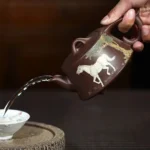
Pour into small cups evenly.
Alone or with guests, serving is part of the ritual.
Step 6: Savor & Repeat (品饮)
Observe color, smell fragrance, sip mindfully.
Repeat infusion, slightly increasing steep time each round.
Enjoy the evolving flavor story of the leaves.
Visual cue: 🔄 Loop Step 4 → Step 6 until tea flavor fades.
Common Mistakes to Avoid
Using boiling water for all teas → Green and white teas scald easily.
Skipping the first rinse → Misses critical aroma and preparation.
Steeping too long → First infusion dominates, losing subtle flavors later.
Brewing into cold vessels → Numbs aroma and taste.
Fearing tea’s calming effects → Cházuì (茶醉) is normal; have a small snack.
Practical Cheat Sheet for Tea Brewing
| Tea Type | Vessel | Water Temp | Leaf Amount | First Steep | Subsequent Steep |
|---|---|---|---|---|---|
| Green / Young White | Porcelain gaiwan | 80–85°C | 3g | 10–15s | +5–10s |
| Oolong (Tieguanyin) | Small clay pot / gaiwan | 95–100°C | 5–7g | 5–10s (rinse) | +5–15s |
| Black Tea (Dianhong) | Porcelain gaiwan | 90–95°C | 4–5g | 5–10s | +5–10s |
| Ripe Pu-erh / Dark Tea | Yixing clay / porcelain | 100°C | 6–8g | 5–10s (rinse) | +10–20s |
From Ritual to Daily Life
Full ceremony → weekends, guests, tea houses.
Grandpa-style brewing (爷爷泡) → daily, casual infusions in a mug.
Principles learned in Gongfu Cha help you appreciate tea even in casual brewing, turning consumption into connection.
While learning Gongfu Cha gives you an appreciation for the craft of tea, experiencing tea culture in real life is just as important.
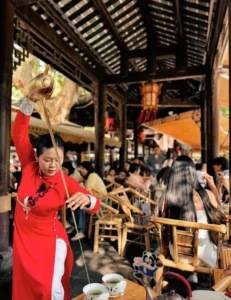
Chengdu is one of the best places to do this. This 《Chengdu Teahouse Culture: More Than Just a Cup of Tea》 shows how tea is woven into daily life in the city.
FAQ: Chinese Tea Ceremony
1. Must I buy expensive tea?
No. Mid-grade, reputable teas are perfect for learning.
2. Is the first rinse necessary?
Yes, except for very delicate green teas.
3. How many infusions per leaf?
3–5 for green, 8–15 for oolong and pu-erh.
4. Why tiny cups?
Preserves aroma, moderates caffeine, encourages mindful sipping.
5. Can I perform the ceremony alone?
Absolutely — it becomes meditation and self-care.
6. What is a tea pet for?
Clay figurines that “drink” leftover rinse, developing patina over time.
Key Takeaway:
The most important ingredient is your attention. Gongfu Cha is designed to cultivate mindfulness. Tools, tea, and water serve your focus — not the other way around.
Question to reflect: What does your perfect tea pause look like today?