@pandatao.me Sichuan, Chengdu


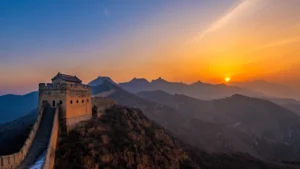
Great Wall of China: Mutianyu vs Badaling vs Jinshanling — Quick Answer
- First-time visitors / limited time: Mutianyu.
- Iconic photos & don’t mind crowds: Badaling.
- Serious hikers & photographers / want solitude: Jinshanling.
- Families with kids / easy access: Mutianyu or Badaling (with cable car).
- Avoiding crowds at all costs: Jinshanling on a weekday.
- Combining with other sights (e.g., Ming Tombs): Badaling.
Here’s a quick comparison of the three main sections:
Which Great Wall Section Is Best?
The best Great Wall section depends on your travel style:
- Mutianyu → best overall (scenery + facilities)
- Badaling → easiest & most iconic
- Jinshanling → best for hiking & fewer crowds
| Section | Best For | Vibe | Distance from Beijing | Crowd Level | Key Feature |
|---|---|---|---|---|---|
| Badaling | First-timers, iconic shots, convenience | Busy, commercial, iconic | ~70 km (1.5h drive) | Very High | Most restored, “Good Wall” monument |
| Mutianyu | Families, scenic views, good facilities | Scenic, manageable, tourist-friendly | ~73 km (1.5-2h drive) | Medium-High | Lush greenery, toboggan slide down |
| Jinshanling | Hikers, photographers, authenticity | Rugged, serene, raw | ~130 km (2.5h drive) | Low | Original “wild wall” sections, stunning vistas |
Still deciding? This table breaks it down by traveler type:
| If you are… | Best choice |
|---|---|
| Short on time, want the classic postcard shot | Badaling |
| Traveling with children or older relatives | Mutianyu |
| A photography enthusiast or avid hiker | Jinshanling |
| Want to avoid crowds completely | Jinshanling (on a weekday) |
- Crowds: Badaling (very crowded) → Mutianyu (moderate) → Jinshanling (quiet)
- Scenery: Jinshanling (wild) → Mutianyu (green) → Badaling (classic)
- Access: Badaling (easiest) → Mutianyu → Jinshanling (hardest)
- Best for:
- First-time → Mutianyu
- Easy trip → Badaling
- Hiking → Jinshanling
Want this research done for you? The PandaTao Great Wall Travel Guide PDF covers detailed maps, transport hacks, and a custom route planner for all three sections. pandatao.me
What Is the Best Section of the Great Wall to Visit?
The best section depends on your priorities. For most first-time visitors with a day to spare, Mutianyu offers the best balance of stunning scenery, good facilities, and manageable crowds. It’s fully restored like Badaling but feels more scenic, with a forest cover of over 90%. For the iconic, if crowded, “I climbed the Great Wall” experience, Badaling is unmatched. For those seeking solitude and the raw beauty of both restored and original “wild wall,” Jinshanling is the premier choice, though it requires more travel time and planning.
Before You Go: Transport & Timing
Getting to each section varies significantly. Your choice will impact your entire day.
To Badaling:
- High-Speed Train (Recommended): From Beijing North Station or Qinghe Station to Badaling Great Wall Station. Journey: 20-35 mins. Cost: ¥16-31. Trains run frequently; book on 12306 in advance. The station is a short walk from the entrance.
- Public Bus 877: From Deshengmen bus station. Journey: 70-90 mins. Cost: ¥6 (card) / ¥12 (cash). The last return bus is at 5:00 PM.
- Drive: Navigate to “Badaling Great Wall Parking Lot,” then take the free shuttle bus to the entrance. Expect traffic on weekends.
To Mutianyu:
- Tourist Bus (Most Convenient): The Beijing Tourist Hub runs direct buses from locations like Qianmen. Round-trip: ~¥80, includes transfer bus fare. Journey: 1.5-2 hours.
- Drive: Take the Jingcheng Expressway to Exit 13 (Beitai Road). Parking: ~¥20/day.
- Public Bus: Take bus 916快 from Dongzhimen to Huairou Beidajie, then transfer to H23/H24. This is cheaper but time-consuming.
To Jinshanling:
- Drive (Highly Recommended): The most flexible option. Navigate to “Jinshanling Great Wall Visitor Center.” Drive time: ~2.5 hours from Beijing.
- Direct Bus from Beijing: A tourist bus departs Dongzhimen at 8:00 AM, returns at 4:30 PM. Round-trip + ticket + shuttle + cable car: ¥228.
- Direct Bus from Chengde: Departs from the Mountain Resort (Dehui Gate) at 8:00 AM.
Best Time to Visit: Spring (April-May) and Autumn (September-October) offer the most pleasant weather. October is particularly stunning at Jinshanling for fall foliage. Avoid Chinese public holidays (May Day, National Day) at all costs, especially at Badaling. Arrive at opening time (7:30 AM or earlier) to beat the crowds at any section.
How Long Does Each Great Wall Section Take?
Badaling: half day (easy access)
Mutianyu: half to full day
Jinshanling: full day or overnight
Section 1: Badaling Great Wall – The Iconic (and Crowded) Experience
Badaling is the Great Wall section most first-time visitors picture. It’s the most restored, most accessible, and consequently, the most visited section in the world. The experience is defined by its grandeur and its crowds.
The path is wide and well-paved, leading you to the famous “Good Wall” monument at North 8 Tower (Beibalou), the highest point. The views are undeniably impressive, a sweeping panorama of the wall snaking over rugged mountains. You’ll hear a dozen languages and see visitors of all ages, from toddlers to octogenarians, all sharing the same moment.
Local Truth: The iconic “不到长城非好汉” (“He who has not been to the Great Wall is not a true man”) stele is not on the main north route where crowds swarm. For a photo without a queue, head to the South 4 Tower (Nansilou) on the less-crowded southern section.
- Ticket: ¥40 (Apr-Oct), ¥35 (Nov-Mar). Book 1-7 days in advance via the “Great Wall Inside and Outside” WeChat mini-program.
- Cable Car: Single ¥100, Return ¥140. The aerial cable car goes to North 7 Tower.
- Recommended Route (North Line): Enter at the Pass City, climb from North 1 to North 8 (Good Wall), then continue down from North 8 to North 11/12 to exit. This avoids backtracking and the steepest return climb.
- Crowd Hack: If you must go to Badaling, take the first high-speed train of the day (around 6:40 AM from Qinghe). You’ll have about 90 minutes of relative peace before the tour buses arrive en masse after 9:30 AM.
Section 2: Mutianyu Great Wall – The Scenic Family-Friendly Choice
Mutianyu is where stunning scenery meets tourist convenience. It feels more integrated with nature than Badaling, with pine forests covering over 90% of the area. The facilities are excellent, and it offers a unique way down: a toboggan slide.
The atmosphere is lively but less overwhelming than Badaling. You’ll see families, couples, and small groups spread out along the wall. The section between Watchtowers 14 and 23 is particularly beautiful, with the wall cresting over forested peaks. I remember the clatter of the cable car giving way to the sound of cicadas, and the breeze carrying the scent of pine—a sensory relief from the city.
Local Truth: Most visitors take the cable car up to Tower 14. For a quieter start with a fun descent, take the chairlift up to Tower 6, walk east towards Tower 1 (passing the unique Zhengguantai fortress), then walk back to Tower 6 and take the thrilling toboggan slide down. You miss the central section but avoid the biggest cable car queues.
- Ticket: ¥40. Book via the “Mutianyu Great Wall” WeChat official account.
- Cable Car/Chairlift: Single ¥100, Return ¥120. Cable car goes to Tower 14; chairlift goes to Tower 6.
- Toboggan Slide: Down from Tower 6: ¥100.
- Recommended Route: Cable car to Tower 14 → walk west to Tower 20 (the steep “Good Wall Slope”) → return to Tower 14 → cable car down. For a mix, do the Tower 6 toboggan route first, then take the cable car to Tower 14.
Section 3: Jinshanling Great Wall – The Hiker’s & Photographer’s Paradise
Jinshanling is for those who come to experience the Wall, not just see it. It’s farther, less developed, and offers a breathtaking mix of restored and original “wild wall.” The slogan here is “万里长城,金山独秀” – “Of the Great Wall, Jinshanling is peerless.”
Here, you can genuinely find solitude. On the eastern route, past the Grand Jinshan Tower (Dajinshanlou), the crowds thin to nothing. You’re walking on original bricks, some inscribed with Ming dynasty characters—the famous “text brick wall“—with crumbling battlements and unobstructed views of the wall winding into the hazy distance. The silence is profound, broken only by your own footsteps and the wind.
Local Truth: The ticket gate is far from the actual wall. If you’re not staying at the on-site Jinshanling Great Wall Hotel, you must pay ¥10 for a shuttle bus or walk 2km uphill before you even start climbing. Staying overnight is the best hack: hotel guests can drive directly to the wall’s foot and are perfectly positioned for sunrise or sunset.
- Ticket: ¥65. Offers free re-entry the next day if you register your fingerprint.
- Cable Car: Single ¥40, Return ¥60. Only from the main (central) entrance.
Route Choice: The East Route (longer, steeper) leads to the text brick wall and Five-Eye Tower (Wuyanlou*). The West Route (shorter, gentler) is better for sunset. You can hike east from the main entrance and exit at the East Gate, then take a shuttle back.
- Sunrise/Sunset: For sunrise, head to West Five-Eye Tower. For sunset, the Grand and Small Jinshan Towers are ideal.
How to Choose the Best Great Wall Section for You
Choosing between Mutianyu, Badaling, and Jinshanling comes down to your travel style, time, and tolerance for logistics.
- By Time: If you only have half a day, choose Badaling (by high-speed train) or Mutianyu (by tourist bus). For a full day with hiking, choose Jinshanling.
- By Travel Style: Solo travelers and photographers will love the freedom of Jinshanling. Families will appreciate the easy cable car and smooth paths of Mutianyu. Group tours and first-timers often default to Badaling for its iconic status.
- By Budget: Badaling and Mutianyu have similar costs for transport and tickets. Jinshanling costs more in time and transport (or requires an overnight stay for the best experience) but offers a priceless atmosphere.
- By Season: In peak summer heat or bitter winter, the shorter exposure at Badaling or Mutianyu is advisable. Jinshanling is sublime in spring and autumn.
This expanded table helps match the experience to your needs:
| If your priority is… | Best Choice | Why |
|---|---|---|
| Ease & Convenience | Badaling (by train) | Direct high-speed rail, minimal walking to entrance. |
| Scenic Beauty & Fun | Mutianyu | Lush greenery, toboggan slide, great photo ops. |
| Authenticity & Solitude | Jinshanling | Long stretches of original wall, very few tourists. |
| A Guaranteed Iconic Photo | Badaling | The classic, sweeping shot is from here. |
| A Multi-Day Hiking Adventure | Jinshanling to Simatai | This is the classic, challenging through-hike. |
What Most Great Wall Guides Won't Tell You
The “wild wall” is often the most rewarding, but it’s not for everyone. The unrestored sections at Jinshanling and beyond are crumbling, steep, and lack guardrails. The sense of adventure is real, but so is the risk. It’s not recommended for children, those with a fear of heights, or without proper shoes.
The best light for photography is at dawn, but the gates aren’t. Official opening times (usually 7:30 or 8:00 AM) are set for tourists, not photographers. The magical golden hour at sunrise is often inaccessible unless you stay at an on-site hotel like at Jinshanling or Gubei Water Town near Simatai.
“Tourist restaurant” strips are a trap. The streets lined with restaurants immediately outside Badaling and Mutianyu gates serve overpriced, mediocre food. The locals don’t eat there. Either bring snacks, eat at the simple vendors on the wall itself (mutual corn is a classic), or wait until you’re back in a proper town.
Public transport times are optimistic. A “90-minute” bus ride can easily become 2.5 hours with Beijing traffic. If you have a tight schedule (like an afternoon flight), the high-speed train to Badaling is the only reliable option. Always build in a significant buffer.
Practical Tips for Your Great Wall Visit
- Footwear is Non-Negotiable: Wear sturdy, broken-in hiking shoes or trainers with good grip. Even the restored sections have uneven, worn steps.
- Hydrate & Sun Protect: Carry more water than you think you need. There’s little shade on the wall. A hat, sunglasses, and sunscreen are essential.
- Travel Light: You’ll be climbing steep stairs. A small backpack with water, snacks, and a layer is perfect. Large luggage is not allowed.
- Cash & Cards: While tickets are often booked online, have some cash (RMB) for small vendors, shuttle buses, and cable car tickets.
- Respect the Wall: Do not carve or write on the bricks. It’s not just graffiti; it’s destroying a 600-year-old world heritage site. Take only photos.
FAQ: Great Wall of China: Mutianyu vs Badaling vs Jinshanling
Which section of the Great Wall is least crowded? Jinshanling is consistently the least crowded of the three main sections, especially on weekdays and outside of Chinese holidays. Its greater distance from Beijing (130km vs 70km) filters out most day-trippers.
Can you do a day trip from Beijing to Jinshanling?
Yes, but it’s a long day. The direct tourist bus from Dongzhimen departs at 8:00 AM, arrives at 10:00 AM, and leaves at 4:30 PM, giving you about 4.5 hours on the wall. For a more relaxed experience with time for sunrise/sunset, staying overnight is highly recommended.
Is Mutianyu or Badaling better for families? Mutianyu is generally better for families.
It has a gentler reputation, the fun toboggan slide for kids, and the cable cars are modern and enclosed. Badaling is more crowded and can feel overwhelming with young children, though it is very accessible.
Do I need to be fit to visit the Great Wall?
It varies by section. Badaling and Mutianyu have cable cars that take you to high points, minimizing strenuous climbing. Jinshanling involves more significant hiking, especially on its eastern route. All sections involve stairs, but you can choose your own pace and distance.
What is the best time of day to visit to avoid crowds? The first hour after opening is always best.
At Badaling and Mutianyu, this means being at the gate by 7:30 AM. Crowds swell from 10:00 AM to 3:00 PM. Late afternoons can also thin out, but watch last entry times.
Plan faster with the PandaTao Great Wall Travel Guide PDF — it includes comparison cheat sheets, transport maps, and a packing list. pandatao.me
Looking for more detail? PandaTao covers Beijing in depth. Continue planning with our Forbidden City guide, our Beijing hutong walking guide, or our complete Great Beijing guide for even more section comparisons.
Tags

Tao
Chris Lee (Tao) is the founder of PandaTao, a journal exploring China through its cities, tea, and traditional crafts. He shares stories of everyday culture — from quiet teahouses and local markets to the small rituals that shape daily life in China.
📬 Stay updated: Get insider tips, guides, and stories by email at pandatao.me@gmail.com