@pandatao.me Sichuan, Chengdu


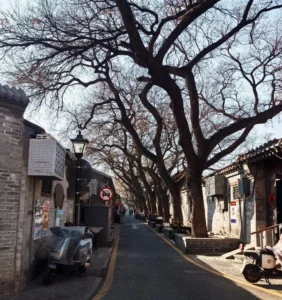
Beijing Hutong Walking Guide — Quick Answer
- Best Time to Visit: Spring (April-May) and Autumn (September-October) for pleasant weather.
- How to Get There: Most routes start near a subway station on Lines 2, 5, or 8.
- Key Cost: Most hutongs are free to explore; museum entry typically 5-30 RMB.
- Time Needed: Allow 2-4 hours per focused route; a full day for combined areas.
- Top Tip: Look up at the roof beams and gate structures—they tell a story of social status.
- Local Truth: Skip the overpriced, generic snacks on main strips like Nanluoguxiang; walk one alley over for authentic local eateries.
Getting to & Around Beijing's Hutongs
The beauty of Beijing’s hutong network is its accessibility via the superb subway system. Nearly every worthwhile walking route begins within a 10-minute walk of a station.
By Subway: This is your primary tool. Key lines are:
- Line 2: For Yonghegong (Exit G for Wudaoying Hutong), Andingmen (for Beiluoguxiang), Qianmen (Exit C for Yangmeizhu Xiejie, Xishiku), and Chongwenmen (Exit E for Dongjiaominxiang).
- Line 5: Connects at Yonghegong and Beixinqiao (for Dongsi area).
- Line 8: Shichahai (Exit A2) or Gulou Dajie for the Bell & Drum Tower area.
- Line 4: Xisi (for Brick Pagoda Hutong) and Caishikou (Exit G for Lannan Hutong).
By Bike: For covering ground between hutong clusters, use the ubiquitous blue Meituan or yellow Hello shared bikes. Scan with WeChat or Alipay. Crucial local tip: Avoid cycling within the narrowest hutongs during peak hours (8-9 am, 5-6 pm) when they are filled with delivery scooters and residents. On Foot: This is the only way to truly experience the hutongs. Wear comfortable walking shoes—the ground can be uneven. Best Time to Go: Weekdays are always quieter than weekends. Mornings (before 10 am) see locals going about their day, while late afternoons offer beautiful light. Some museums, like the Dongsi Hutong Museum, are closed on Mondays.
The Scholar & The Hipster: Yonghegong to Wudaoying
This route perfectly marries profound history with contemporary cool, making it an ideal first walk. Start at Yonghegong (Lama Temple) Station, Exit G.
Walk south into Chengxian Street (成贤街), a quiet lane flanked by ancient cypress trees leading to the Confucius Temple and Imperial College (Guozijian). This was China’s highest academic institution for 700 years. The halls are solemn, the stele forests imposing. Tickets are 30 RMB, and it’s open 9:00-17:00 (last entry 16:30). The local truth here? Most tourists head straight into the main halls; pause instead in the first courtyard to your right to find the Chong Sheng Temple, a quieter, equally beautiful annex often missed.
From here, cut west through Jianchang Hutong to reach Wudaoying Hutong. The shift is immediate. Where there was silence, there’s now indie music spilling from café doors. This 600-meter lane is what Nanluoguxiang wished it could be—authentically creative, not crassly commercial. Pop into shops like “Lost & Found” for quirky souvenirs. For the best scene, find a café with a rooftop seat in the late afternoon, order a pour-over, and watch the sunlight gild the hutong rooftops. The key point? This route shows Beijing’s unique ability to layer epochs without erasing them.
The Imperial Backyard: Bell Towers, Lakes & Local Alleys
For the classic postcard Beijing experience—red walls, grey tiles, and shimmering lakes—this central route is essential. Begin at Gulou (Drum Tower) Station.
The Drum Tower and Bell Tower stand as the ancient timekeepers of the city. Climbing the Drum Tower’s steep stairs is worth it for the panoramic view over the sea of hutong roofs (entry 20 RMB). Then, wander into the maze behind them. Yandai Xiejie (Tobacco Pouch Slant Street) is touristy but leads you directly to the edge of Shichahai, the trio of lakes (Qianhai, Houhai, Xihai). Here’s the local move: Instead of sticking to the crowded main lakeshore bars, turn north into Ya’er Hutong or east into Beiluoguxiang. Beiluoguxiang, parallel to its famous southern cousin, retains a laid-back, residential vibe with fantastic coffee shops like Voyage Coffee.
A sensory scene: As dusk falls on Houhai, the water turns to ink, reflecting the red lanterns from waterside bars. The air fills with the scent of grilled lamb skewers (chuanr) from tiny street stalls, a soundtrack of laughter and erhu music weaving through it all. In essence, this area is about feeling the city’s pulse, from its imperial grandeur to its evening leisure.
The Hidden Museums & Grand Mansions: Dongsi's Quiet Grandeur
If you want to understand the architecture and social hierarchy of the hutong, the Dongsi area is an open-air textbook. Start at Dongsi Station (Lines 5 & 6).
Head into Dongsi Santiao. Here, you learn to “read the gates.” A Guangliang Da Men (wide, bright gate) indicates a high-ranking official’s home, while a humble Ruyi Men (wish-gate) was for commoners. Look for the former site of the Chejun Prince’s Mansion. Then, move to Dongsi Sitiao to find the Dongsi Hutong Museum (free, closed Mondays). It’s housed in a restored courtyard and perfectly explains the siheyuan layout. Don’t miss the exquisite Chuihua Men (drooping flower gate) inside. A common mistake is rushing through; the museum’s文创店 (cultural creation shop) has lovely stamps for your travel journal—bring a notebook.
The grand finale is the Chongli Mansion on Dongsi Liutiao. Once a 10,000-square-meter private Qing dynasty compound dubbed “the crown of the East City,” it’s now a crowded dazayuan (communal compound) closed to the public. But you can still admire its imposing “八字” screen wall (Ba Zi Yingbi) from the entrance. To summarize, Dongsi offers a quiet, scholarly walk through Beijing’s architectural DNA.
The Republic's Echo: Qianmen's Literary & Diplomatic Lanes
South of Tiananmen, a different history unfolds—one of literary giants, printing presses, and foreign legacies. Start at Qianmen Station, Exit C.
First, explore Yangmeizhu Xiejie. This 200-meter slanted street is a time capsule of Republic-era Beijing, home to former publishing houses like the Mofan Shuju (Model Bookstore). It’s now dotted with art studios and quiet cafes like Jian Cafe. The vibe is literary and unhurried. Then, walk to Xinglong Street, a revitalized lane buzzing with trendy bakeries and design shops, before finding the hidden Sanlihe Park—a sudden, unexpected vision of a willow-lined stream right in the city center.
From here, it’s a short walk to Dongjiaominxiang, Beijing’s longest hutong and the former Legation Quarter. The atmosphere shifts dramatically. The lane widens, flanked by Western-style buildings: the Gothic spires of St. Michael’s Church, the colonnades of the Former French Post Office. It feels distinctly un-Beijing, which is precisely the point. Local insight: The best photos aren’t from the main street, but from the small alley beside the church, where the red-brick arches frame the Gothic spire perfectly.
Where to Eat & Drink in the Hutongs
Forget generic tourist menus. Seek out these specific spots for authentic flavors and atmosphere.
- Wudaoying Hutong: He Kitchen & Co offers reliable Yunnan fusion in a stylish setting (dishes 40-80 RMB). For coffee, Barista is a staple.
- Dongsi Area: After your walk, the Yuanyi Yizhan (Horticulture Station) at the end of Dongsi Liutiao is a perfect rest stop—a café filled with plants, where you can sit under blooming trumpet vines.
- Qianmen Area: For a truly unique experience, book lunch at the 茶餐厅 (Tea Restaurant) inside the Mei Lanfang Former Residence on Tieshu Xiejie. The “Taizhou Mei-style Set” with crab roe noodles is around 100 RMB, and the courtyard setting is magical. Nearby, FIVE SPACE often hosts intriguing art and design exhibitions.
Shichahai: Avoid the lakeside tourist traps. Dive into Baochao Hutong for local favorites like Huguo Temple Snacks for lüdagunr (glutinous rice rolls) and wandouhuang* (pea cake).
After walking through the hutongs, finding a quiet place to sit is part of the experience. Some of the most interesting hidden coffee spots are tucked inside these alleys.
Practical Tips for Your Hutong Walk
- Respect Privacy: These are living communities. Don’t peer into windows or enter courtyards marked as private. Photography should be discreet.
- Navigate Smartly: Google Maps is unreliable. Use Baidu Maps or Apple Maps (which uses Gaode data in China) for accurate walking directions in the maze-like alleys.
- Cash is Still King: While WeChat Pay and Alipay are ubiquitous, some tiny family-run stalls or older residents in museum ticket booths may prefer cash, especially for small sums under 20 RMB.
- Comfort is Key: The walking is constant and surfaces are uneven. Absolutely wear your most comfortable shoes and carry water.
- Seek the Side Alley: If a street like Nanluoguxiang feels overwhelmingly crowded, remember that its true charm is always one parallel alleyway over, where the noise fades and real life continues.
High-Retention Insight
The most authentic hutong experience isn’t found in the preserved “model” courtyards, but in the slightly messy, lived-in ones where pumpkins grow on rooftops and bicycles lean against 300-year-old spirit walls—where history isn’t a exhibit, but a backdrop to daily life.
For more recommendations on transportation, food, attractions and planning your whole trip, check out our 《The Ultimate Beijing Travel Guide: How to Plan Your First Trip》.
Frequently Asked Questions
What is the most famous hutong in Beijing? Nanluoguxiang is the most famous, a north-south artery with many side alleys. However, it’s extremely crowded and commercialized. For a more authentic feel, explore its quieter parallel alley, Beiluoguxiang, or the nearby Yandai Xiejie. How much time do you need for a hutong walk?
You can get a good feel in 2-3 hours on a focused route like Yonghegong to Wudaoying. To leisurely explore a larger area like Shichahai and its surrounding alleys, allocate at least half a day.
Are Beijing hutongs free?
Yes, walking through the public alleyways is completely free. Only specific attractions within them charge entry, like the Dongsi Hutong Museum (free), Qisheng Temple (5 RMB), or Miaoying Temple (White Dagoba) (20 RMB).
What should I wear for a hutong walk?
Wear comfortable, sturdy walking shoes—think sneakers or flats. Dress in layers appropriate for the season, as you’ll be moving between sunny open spaces and shaded, cool alleys.
Can I visit hutongs at night?
Yes, and it’s a wonderful experience. The main alleyways are safe and well-lit, offering a peaceful atmosphere. Areas like Shichahai are particularly lively at night, though the smaller residential lanes quiet down early.
The hutongs teach a simple, profound lesson about Beijing: that grandeur and intimacy exist side-by-side, that a city can be both imperial capital and a network of neighborly villages. To walk them is to trace the lines on the city’s palm. For more on the life within these walls, explore our guide to Beijing’s Courtyard Houses.
These hutong walking routes work best as part of a well-organized itinerary — see our full The Ultimate Beijing Travel Guide: How to Plan Your First Trip.
If you’re planning to explore further, we’ve put together a free Beijing guide with a bit more context and practical detail beyond this walk.
And if you find yourself wanting something more tailored—whether that’s specific routes, pacing, or a particular focus—we also put together custom itineraries based on how you like to travel. It’s entirely up to you how much structure you want.
Tags

Tao
Chris Lee (Tao) is the founder of PandaTao, a journal exploring China through its cities, tea, and traditional crafts. He shares stories of everyday culture — from quiet teahouses and local markets to the small rituals that shape daily life in China.
📬 Stay updated: Get insider tips, guides, and stories by email at pandatao.me@gmail.com